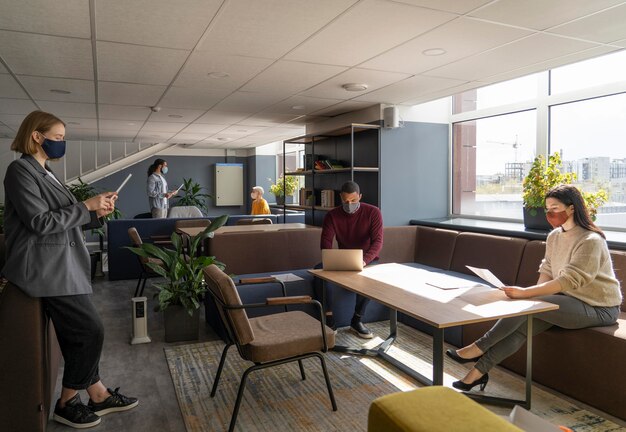
Allocate specific intervals for each task to create a structured framework that enhances your work efficiency. A typical approach involves designating 25-minute segments followed by a 5-minute pause, known as the Pomodoro technique. This method provides concentrated bursts of effort, allowing for sustained focus and a regular opportunity to recharge.
To implement this strategy effectively, start by identifying your key responsibilities and prioritizing them based on deadlines and importance. Once you have your task list, estimate the time required for each item and break them into smaller, manageable segments. This approach helps mitigate feelings of overwhelm and offers a clearer perspective on your daily goals.
Utilize tools such as timers or productivity applications to reinforce your commitment to time slots. Digital reminders can help signal when to start or stop each work period. Regularly reassess your productivity levels and adjust time allocations as necessary, ensuring that your approach remains adaptable to varying workloads or project complexities.
Understanding the Concept of Timeboxing
Set specific periods, typically ranging from 25 to 90 minutes, dedicated to particular tasks. Each block should be followed by a short break to recharge. This method helps maintain focus and limits the tendency to procrastinate. Choose tools like timers or apps to track these intervals effectively and keep distractions at bay.
Consider structuring your tasks in advance. List activities, prioritizing them based on urgency and importance. Allocate time blocks accordingly, ensuring that each segment has a clear objective. Review your accomplishments at the end of the day to assess your progress and adjust upcoming sessions. This strategy cultivates a sense of accountability and provides insights into time management patterns.
Setting Up Your First Timebox: Step-by-Step Guide
Identify a specific task or project to focus on. Choose something that can be realistically accomplished in a limited timeframe. Make sure it aligns with your current goals and priorities.
Determine the duration of your focus period. Common intervals are 25 or 45 minutes, but you can adjust based on your attention span. Use a timer to keep track; this creates a sense of urgency.
Select an environment that minimizes distractions. Ensure your workspace is organized and conducive to concentration. Consider using noise-canceling headphones or white noise if needed.
Set boundaries for your timebox. Inform others around you that you’ll be unavailable during this specific period. This minimizes interruptions and helps maintain focus on the task at hand.
- Start the timer once you’re ready, committing fully to the task for the duration.
- Work diligently, keeping your attention solely on the task without checking your phone or other devices.
- Take a short break of 5-10 minutes after the timer goes off. Use this time to rest, stretch, or hydrate.
- Evaluate your progress after each timebox. Assess what you accomplished and where improvements may be needed.
Repeat this process as often as necessary. Gradually increase the intensity of your sessions for challenging tasks, or adjust the length based on your experience.
Reflect on your experience and adjust your approach. Assess what’s working and what’s not, making tweaks to optimize your workflow. Consistency leads to improvement over time.
Choosing the Right Duration for Your Timeboxes
Set your timeboxes between 25 to 90 minutes. A duration of 25 minutes, often referred to as the Pomodoro technique, encourages short, focused bursts of activity. This allows for better concentration while maintaining energy levels. For more complex tasks, consider extending your focus to 90 minutes, allowing for deeper engagement with the material.
Identify your preferred duration through experiments. Track your focus and energy variations at different lengths, such as 30, 45, or 60 minutes. Review your productivity and determine which timeframe consistently yields the best results. Adjust these timeframes based on the complexity of tasks.
Incorporate breaks strategically. Follow each timebox with a short pause of about 5 minutes to recharge. After a longer session, such as 90 minutes, take a more extended break, perhaps 15 to 30 minutes. This pattern of work and rest promotes sustained attention.
Consider the nature of your tasks. Creative activities may benefit from longer uninterrupted sessions, while routine ones suit shorter, more frequent intervals. Know your personal rhythm: some people work better in the morning, while others are more productive later in the day, affecting the optimal duration.
Be flexible and responsive to your needs. What works well one day may not be effective the next. Don’t hesitate to adjust your planned durations based on daily workload or energy levels. This adaptability can lead to improved focus and satisfaction in your work.
Finally, anchor your sessions with clear objectives. Define what you aim to achieve within each time segment. This specificity enhances your commitment to the task. By linking timeboxes with purpose, you enhance the likelihood of staying on course.
Tools and Techniques to Implement Timeboxing
An effective way to apply this strategy is by utilizing dedicated applications designed for task management and time allocation. Tools like Trello and Asana allow users to create specific time slots for tasks while visualizing their workflow. They also offer features that let you set deadlines and reminders, ensuring that you stay on track. Additionally, integrating a timer, whether through a mobile app or a simple kitchen timer, helps maintain focus during each period of work, discouraging distractions.
Techniques for Successful Application
Batch tasks that are similar in nature during allocated time frames. This minimizes context switching and can significantly enhance concentration and output. Pairing this with techniques like the Pomodoro Technique, which recommends 25 minutes of focused work followed by short breaks, creates a rhythm that maximizes engagement without leading to fatigue. Regularly review your progress and adjust time allocations based on what you learn about your working patterns. This continuous refinement helps to optimize the approach.
Common Challenges in Timeboxing and How to Overcome Them
One frequent barrier is the tendency to underestimate the time required for tasks. This often results in frustration and a feeling of failure. To counteract this, allocate extra time beyond initial estimates. Monitor how long various activities take and adjust future time slots based on previous experiences. This practice not only builds more reliable schedules but also increases confidence in time management.
Distractions can derail even the most carefully planned intervals. To address this, create a focused environment. Silence notifications, close irrelevant tabs, and use tools such as website blockers during concentrated periods. Establishing a dedicated space for work can also minimize interruptions, helping maintain concentration and effectiveness during each designated slot.
Procrastination is another significant challenge. Those who struggle to initiate tasks may benefit from the Pomodoro Technique, where work is divided into intervals with short breaks. Setting these manageable goals can aid in overcoming inertia and make starting tasks feel less daunting. Remember to reward yourself during breaks to reinforce positive behavior.
| Challenge | Solution |
|---|---|
| Underestimating Task Duration | Allow extra time and monitor past task durations. |
| Distractions | Create a focused work environment and utilize blockers. |
| Procrastination | Use the Pomodoro Technique for manageable goals. |
Measuring Progress and Adjusting Timeboxes for Improvement
Track the time allocated for each task using a simple spreadsheet or task management tool. Record the estimated time versus actual completion time for every activity. Make it a practice to update this log daily to identify patterns in your work habits that may require adjustments.
Analyze Performance Metrics
Establish specific criteria to evaluate your efficiency, such as the percentage of tasks completed within their allotted time. Conduct weekly reviews to assess these metrics, aiming to improve your precision over time. If certain tasks consistently exceed the estimated timeframe, consider breaking them into smaller segments or reallocating periods for more complex activities.
Develop a feedback loop where you periodically assess both the quality of output and the time taken. Collect insights from colleagues or mentors who can provide an external perspective on your productivity. Use their feedback to fine-tune your approach and set realistic expectations for future time allocations.
Adapt and Reschedule
Flexibility is a key component of successful scheduling. If you discover a particular time segment is unproductive, don’t hesitate to experiment with different times of the day. For some, mornings may be more conducive to focused work, while others may find their peak performance in the afternoon or evening.
Finally, integrate regular adjustments into your workflow. After achieving a set of tasks, reflect on what methods worked best and in what circumstances. Make iterative changes to your approach based on empirical data, and gradually build a more tailored and responsive time management strategy.
Q&A: Timeboxing productivity technique
What Is Timeboxing And How Does It Work As A Time Management Method In 2026?
Timeboxing is a time management method that involves allocating a fixed time to a task in 2026. Timeboxing involves allocating a specific amount of time to complete work, helping you manage your time and tasks more efficiently.
How Does Timeboxing Help Boost Productivity In 2026?
Timeboxing helps in 2026 by creating a time constraint that encourages focus and reduces distractions. This productivity method can help boost productivity and transform your productivity by ensuring you stay focused on one task.
What Are The Benefits Of Timeboxing For Personal Productivity In 2026?
The Benefits of timeboxing in 2026 include better time management, increased focus, and improved personal productivity. Timeboxing creates a structured approach to time management and helps you spend your time more effectively.
How Do You Use Timeboxing In Daily Work In 2026?
To Use timeboxing in 2026, you set specific time limits and allocate time on your calendar for each task. Timeboxing into your daily routine helps ensure every block of time is used productively.
What Is An Example Of Timeboxing In Practice In 2026?
An Example of timeboxing in 2026 could involve assigning a fixed amount of time, such as 60 minutes, to complete a report. You work within the set time and stop when the time ends, even if the task is not fully finished.
What Is The Difference Between Hard Timeboxing And Soft Timeboxing In 2026?
Hard timeboxing in 2026 uses a strict limit on the time, while soft timeboxing allows flexibility if needed. Both methods help improve productivity but differ in how strictly the time limit is enforced.
How Does Timeboxing Compare To The Pomodoro Technique In 2026?
Timeboxing and time blocking in 2026 are similar to the pomodoro technique emphasizes short bursts of focused work. However, timeboxing is a powerful time management technique that allows more flexibility in task duration.
How Can Timeboxing Improve Time Tracking And Task Completion In 2026?
Timeboxing can help in 2026 improve time tracking by defining the amount of time to complete each task. This approach ensures you use time effectively and avoid poor time management habits.
Why Does Work Expand To Fill The Time Available And How Does Timeboxing Solve This In 2026?
The Principle that work expands to fill the time available in 2026 leads to inefficiency. Timeboxing is a proven method that sets fixed time blocks and prevents tasks from taking longer than necessary.
How Can You Integrate Timeboxing Into Your Workflow To Enhance Productivity In 2026?
To Integrate timeboxing in 2026, you allocate specific time for each task and include time for breaks. This management technique that can help improve your productivity ensures better productivity and time management overall.