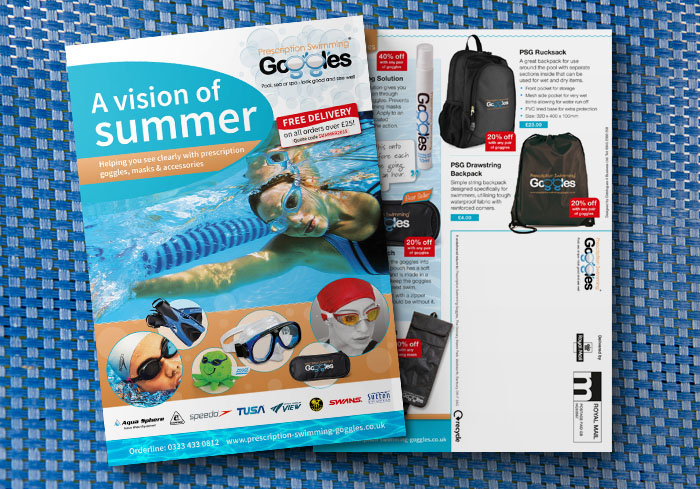
Utilizing psychological triggers, such as scarcity and social proof, can significantly enhance your outreach efforts. Incorporating these elements into promotional materials encourages potential clients to act swiftly. For example, displaying limited-time offers can create a sense of urgency, prompting individuals to commit to a purchase rather than delaying. Highlighting testimonials and user experiences builds trust and influences decision-making, making prospects more likely to engage with your products.
Another powerful approach involves appealing to emotions. Crafting narratives that resonate with consumers on a personal level can foster deeper connections. Research suggests that emotionally charged content not only captivates attention but also leads to higher retention rates. Explore storytelling techniques that align your brand with the values and aspirations of your target audience.
Moreover, simplifying choices can positively affect purchase behavior. Too many options often lead to decision fatigue, causing potential buyers to abandon their carts. Streamlining selections by offering curated choices can guide consumers toward making a final decision, thereby increasing conversions. Leveraging this understanding of consumer psychology enhances customer satisfaction and drives sales.
Understanding Consumer Decision-Making Processes
To effectively influence purchasing behavior, companies must recognize that consumers often operate on heuristics rather than comprehensive evaluations. Highlight key product benefits and limit choices to streamline decision-making. For instance, reducing options to a few variations of a product can lead to higher consumer satisfaction and sales, as it mitigates the stress associated with too many choices.
Research indicates that the framing of information significantly impacts consumer perception. Products presented with positive narratives or appealing emotions tend to perform better. Utilize storytelling techniques in advertising to create an emotional connection, making the consumer more likely to associate positive feelings with the product.
Timing also plays a critical role. Consumers are more receptive to purchasing shortly after experiencing stimulus related to the product. Special promotions or limited-time offers can create a sense of urgency, compelling action. Well-timed communication can lead to increased conversion rates and foster long-term loyalty.
Social proof serves as a powerful motivator. Displaying reviews, testimonials, or endorsements from reputable sources cultivates trust and credibility. Highlighting that others have successfully engaged with the product can lead to increased consumer interest and drive purchasing decisions.
Finally, personalization can greatly enhance the shopping experience. Tailoring recommendations based on previous purchases or browsing history can lead to a more satisfying interaction and increase the likelihood of additional sales. Implementing data analytics tools can aid in delivering these customized experiences effectively.
The Role of Cognitive Biases in Brand Loyalty
To increase brand loyalty, marketers should leverage cognitive biases effectively. A well-documented bias is the endowment effect, where consumers assign more value to products they own. Implementing strategies that encourage trial offers can capitalize on this bias, as it increases the perceived ownership and likelihood of future purchases.
The confirmation bias is another vital aspect to consider. Customers seek information that aligns with their pre-existing beliefs. By strategically curating testimonials and reviews that resonate with target audiences, brands can solidify their positions in consumers’ minds. Utilize social proof to reinforce favorable perceptions, thereby enhancing loyalty.
- Anchoring: Presenting a higher initial price before discounts can create a perception of value.
- Scarcity: Limited editions and time-sensitive offers can stimulate urgency.
Reciprocity plays a crucial role in strengthening relationships. Offering complimentary products or services can lead to heightened loyalty. Consumers often feel obligated to reciprocate the favor, resulting in repeat business.
Sunk cost bias can lock customers into brand loyalty. If a consumer has invested time, money, or effort into a loyalty program, they are more likely to continue engaging with the brand to avoid feeling that their investment was wasted. Crafting loyalty programs that reward incremental engagement can amplify this effect.
- Engage customers through personalized marketing messages.
- Utilize exclusive perks for loyalty program members to enhance the sense of belonging.
Finally, awareness of the status quo bias can guide product updates and brand communication. Consumers often prefer familiar brands and resist change. Gradual updates that maintain core brand elements while offering enhancements can cultivate loyalty without alienating long-term customers.
Applying Nudge Theory to Improve Customer Engagement
Implement subtle prompts in your communication channels to guide customers toward desired actions. For example, utilizing strategically placed reminders in email campaigns can encourage users to revisit their abandoned shopping carts. By designing emails that highlight limited-time offers or showcasing items related to their browsing history, brands can create a sense of urgency that compels customers to complete their purchases. Research indicates that reminders can increase recovery rates by as much as 30%, revealing the potential impact of well-placed nudges.
Enhancing Interaction through Environment Design
Adjust the layout of your website or app to facilitate easier decision-making. Simplifying the navigation and emphasizing certain options can significantly enhance user experience. Consider employing contrasting colors for call-to-action buttons to make them stand out, thereby drawing attention to crucial elements like “Subscribe” or “Buy Now.” Additionally, framing choices in a way that highlights their benefits, such as showcasing customer testimonials or success stories alongside products, can further influence customer behavior and foster greater engagement.
Leveraging Scarcity and Urgency in Promotions
Implementing tactics that invoke a sense of scarcity can markedly enhance consumer engagement. For instance, showcasing limited stock levels on product pages can trigger faster purchasing decisions. When customers see phrases like “only 3 left in stock,” they often feel a heightened sense of urgency to act, leading to increased conversion rates. A/B testing varying levels of stock indicators may reveal the optimal messaging that resonates with your audience.
Creating time-sensitive offers such as flash sales or countdown timers can significantly drive sales momentum. Research indicates that limited-time discounts increase the likelihood of immediate purchases. For example, a promotion that lasts just 24 hours can stimulate excitement and prompt impulse buying. Maintaining clear communication about these time constraints will enhance perceived value and urgency among potential buyers.
Utilizing social proof, such as displaying how many others are viewing a product in real-time, can magnify feelings of scarcity. Highlighting that a product is trending or that “X people are looking at this item now” can effectively nudge hesitant shoppers towards making a purchase. Employing these techniques synchronously can create a compelling environment where customers feel both the desire to acquire and the fear of missing out.
Analyzing the Impact of Social Proof on Purchasing Behavior
Implementing testimonials and user-generated content can significantly influence buying decisions, as these elements create a sense of reliability. A study showed that 79% of consumers trust online reviews as much as personal recommendations. Brands that showcase authentic user feedback can enhance their credibility, leading to increased sales. Therefore, integrating customer testimonials prominently on product pages or social media can directly impact conversion rates.
Highlighting social proof, such as the number of active users or product sales, appeals to the fear of missing out. Displaying statistics like “Over 10,000 units sold this month” not only creates urgency but also reassures potential buyers that others have made the decision to purchase. Data indicates that products with clear markers of social acceptance tend to see a rise in their desirability, thus driving higher conversion rates.
Using visual representations of social proof can further boost trust. Infographics and videos that demonstrate customer satisfaction or product effectiveness tend to engage users more than plain text. The emotional connection through visual storytelling can lead to a stronger inclination toward purchasing decisions. Research confirms that consumers are more likely to buy when they can see others enjoying the product.
Encouraging customers to share their experiences via social media can amplify the effect of social proof. Creating hashtags or contests incentivizes user engagement and generates organic buzz around products. A lively online community around a brand not only fosters loyalty but also provides valuable content for attracting new customers. Leveraging such community-driven content can result in sustained growth and increased demand.
Q&A: Behavioral economics marketing
How Does Behavioral Economics Explain Why People Make Decisions That Are Often Irrational In 2026?
Behavioral economics in 2026 shows that people are not always rational human beings and often irrational patterns guide choices. The field of behavioral economics blends psychology and economics principles to explain how people make decisions using system 1 shortcuts instead of rational choice.
What Role Did Daniel Kahneman And Amos Tversky Play In Behavioral Economics In 2026?
Daniel kahneman and amos tversky are central figures in behavioral economics research referenced in 2026. Their work on system 1 and system 2 explains how decisions are often driven by intuition rather than traditional economic theory.
How Does Loss Aversion Influence Consumer Behavior In 2026?
Loss aversion in 2026 shows that people are more willing to avoid losses than pursue gains. The pain of losing is stronger than the pleasure of gaining, which marketers use to influence consumer behavior.
How Can Marketers Use Behavioral Economics In Marketing Strategies In 2026?
Marketers take insights from behavioral science in 2026 to use behavioral economics and nudge consumers. This helps influence behavior by understanding how consumers make economic decision-making choices.
Why Do People Rely On Shortcuts Instead Of Rational Choice In 2026?
People tend to rely on a shortcut in 2026 because human behavior favors quick decisions. System 1 thinking dominates, making people influenced by the first piece of information rather than careful analysis.
How Do Behavioral Experiments Help Understand Consumer Decisions In 2026?
Behavioral experiments in 2026 provide insights into how people are influenced and how irrational value assessment occurs. These behavioral economics studies improve market research and predict consumer behavior.
What Is The Difference Between Traditional Economics And Behavioral Economics In 2026?
Traditional economics assumes rational agents, while behavioral economics in 2026 shows that people are often irrationally driven. This difference explains why economic models fail to predict real-world outcomes.
How Do Reference Points Affect Economic Decision-Making In 2026?
Reference point in 2026 determines how people evaluate gains and losses. People are more likely to judge outcomes relative to a baseline, influencing their economic outcomes and decisions.
How Can Companies Influence Consumer Behavior Using Behavioral Principles In 2026?
Companies in 2026 influence consumer decisions by priming choices and changing their economic incentives. Marketers use behavioural economics principles to guide consumers toward preferred actions.
What Are Practical Examples Of Behavioral Economics In Everyday Life In 2026?
Examples in 2026 include consumers choosing pumpkin spice lattes or deciding to buy a more expensive option due to perceived value. These actions show that consumers are rational only in theory but often irrational in practice.