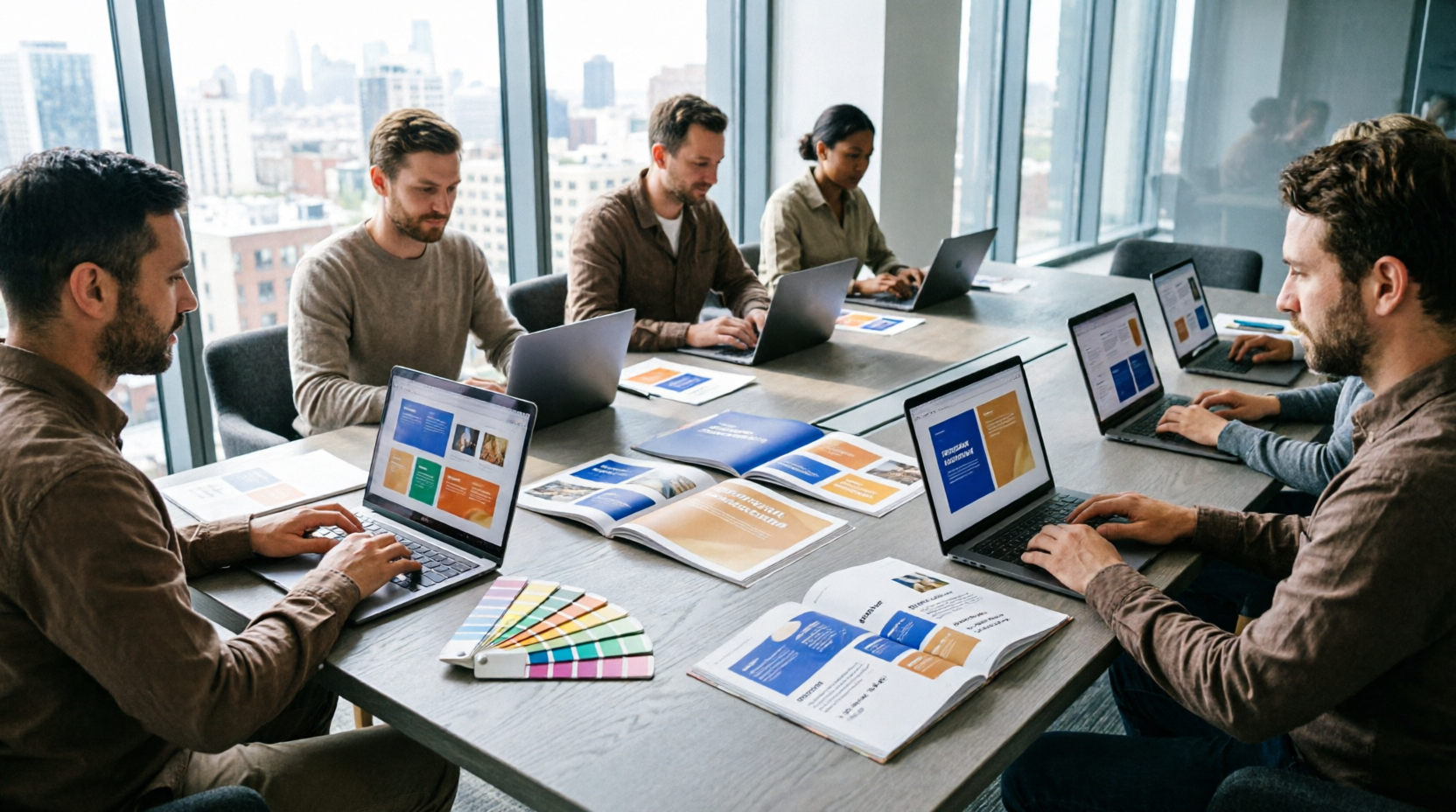
Consider implementing flexible membership options that cater to a diverse set of professionals. Offering tiered plans can attract freelancers, remote employees, and businesses seeking short-term workspaces. This adaptability will meet varying needs while maximizing occupancy rates.
Integration of advanced technology is crucial. High-speed internet, cloud-based collaboration tools, and seamless booking systems can enhance user experience. Implementing smart office solutions will not only streamline operations but also elevate efficiency within the workspace.
Creating wellness-oriented facilities should be a priority. Spaces designed for relaxation and mental health, such as meditation rooms or outdoor work areas, foster productivity and attract health-conscious individuals. Regular wellness programs can also promote community engagement.
Emphasizing sustainability through eco-friendly designs and practices can differentiate offerings. Utilizing renewable materials, energy-efficient appliances, and promoting recycling initiatives will appeal to environmentally conscious users. This approach can solidify brand reputation while contributing to global efforts.
Networking opportunities are key. Hosting regular events, workshops, and meet-ups will create a sense of community among members, cultivating collaborations and partnerships. This sense of belonging can lead to longer-term memberships and increased word-of-mouth referrals.
Adaptive Work Environments for Diverse Needs
Incorporating flexible layouts is a fundamental strategy for meeting various demands among users. Solutions include movable walls, adjustable desks, and modular furniture, which allow individuals to reshape their surroundings based on activities. Providing multiple settings, from private pods for focused work to open areas conducive to collaboration enhances user satisfaction.
Implement technology to facilitate seamless collaboration. Advanced audiovisual equipment, smart boards, and video conferencing tools cater to remote participants while enriching in-person interactions. This integration minimizes disruptions during meetings, ensuring that all team members are engaged and aligned.
Introduce sensory-oriented design elements to accommodate diverse preferences. Factors such as lighting quality, acoustic treatment, and temperature regulation can significantly affect productivity. By implementing adjustable lighting options and soundproofing, the environment can better serve individuals with varying sensitivities.
| Element | Recommendation |
|---|---|
| Lighting | Install adjustable LED fixtures with color temperature settings. |
| Noise Control | Use acoustic panels to reduce ambient noise levels. |
| Temperature | Provide personal climate control devices for individual comfort. |
| Furniture | Offer ergonomic options and adaptable workstations. |
Encourage community-building activities to support a sense of belonging. Regular events, such as workshops and networking sessions, can enhance interpersonal connections. Creating shared interests among users promotes collaboration and knowledge sharing, leading to a more dynamic atmosphere.
Address well-being through access to wellness facilities. Incorporate spaces for relaxation, such as meditation rooms or fitness areas, enabling members to recharge. Investments in mental and physical health initiatives pay dividends in overall productivity and employee satisfaction, benefiting everyone involved.
Integration of Advanced Technology in Coworking Spaces
To enhance user experience, implement smart office technology, such as IoT devices for temperature control and lighting management. These innovations not only improve comfort but also promote energy efficiency. Data analytics from these systems can provide insights into space utilization, allowing for better resource allocation.
Automation and Accessibility
Utilization of automation tools for booking systems and access control can streamline operations. By offering mobile app integration for reservations or check-ins, flexibility increases, catering to diverse working styles. Systems that allow for frictionless entry using biometrics or mobile credentials ensure security while maintaining ease of use.
Robust internet connectivity is non-negotiable. Investing in high-speed broadband with redundancy options prevents downtime, essential for virtual collaboration tools. Providing ample charging stations and ergonomic workstations further enhances functionality, making the environment conducive for productivity.
Virtual and Augmented Reality
Incorporating virtual and augmented reality could elevate collaborative efforts. Such technology enables immersive meetings, enabling remote participants to engage as if present physically. This setup could particularly benefit teams across different locations by fostering real-time collaboration without geographical constraints.
To prepare for evolving demands, integrating machine learning algorithms can help predict user preferences based on historical data, leading to personalized experiences. Tailoring amenities and services to meet the unique needs of users ensures a competitive edge in the market, positioning these environments as leaders in innovation.
Health and Wellness Amenities in Shared Workspaces
Incorporating fitness facilities within collaborative environments is increasingly recognized as a necessity. Gyms or workout areas equipped with the latest exercise equipment encourage users to engage in physical activity throughout their day. Offering guided yoga classes or meditation sessions can further promote mental well-being, facilitating stress reduction and enhancing productivity.
Access to nutritious food options is pivotal. Establishing partnerships with local cafés or meal prep services can ensure that fresh, healthy snacks and meals are readily available. A dedicated kitchen area stocked with smoothies, protein bars, and organic coffee enhances the overall wellness experience, allowing occupants to maintain energy levels and focus throughout the workday.
Integrating biophilic design can significantly enhance air quality and overall ambiance. Incorporating plants and natural light contributes to a soothing environment, promoting mental clarity. Additionally, having quiet zones or dedicated relaxation areas with comfortable seating can provide much-needed breaks from work, beneficial for mental health.
Offering wellness programs such as health workshops or stress management seminars can engage members actively and encourage a holistic approach to well-being. Workshops that cover topics like nutrition, exercise, and mindfulness foster continuous learning and community building among users, ultimately creating a supportive environment conducive to both personal and professional growth.
Focus on Sustainability Practices in Coworking Design
Implementing biophilic design is crucial for reducing environmental impact in shared work environments. Incorporate natural elements, like indoor plants and natural light, to enhance air quality and reduce stress levels among users. Utilizing sustainable materials such as reclaimed wood, recycled metal, or low-VOC paints can significantly lessen the ecological footprint of these venues. Encourage members to engage in practices like waste reduction and composting through designated areas for recycling and organic waste.
To further reinforce commitment to sustainability, consider integrating energy-efficient systems, such as smart lighting and climate control solutions, which adjust based on occupancy. Additionally, optimize layout designs to promote shared resources, like communal meeting rooms and kitchen facilities, minimizing individual consumption. Regularly assess resource usage to identify areas for improvement and enhance user awareness regarding their environmental impact.
Community-Centric Approaches to Networking and Collaboration
Prioritize local engagement by organizing regular meetups tailored to specific industries or interests. These events encourage connections among peers, enhancing knowledge exchange and potential collaborations. Utilizing platforms that facilitate member-organized gatherings can optimize participation rates and interest.
Consider creating themed networking nights that revolve around relevant topics to stimulate dialogue. Participants can benefit from sharing experiences and insights, leading to organic partnerships. Limit attendee numbers to maintain intimacy, ensuring everyone has a chance to contribute to discussions.
Embrace collaborative projects that allow members to work jointly on real-world problems. This approach not only nurtures teamwork but also opens up avenues for innovation based on diverse perspectives. Encourage sharing of project outcomes through presentations, reinforcing community bonds.
Establish mentorship programs linking seasoned professionals with newcomers in specific fields. The resulting relationships foster knowledge transfer and provide guidance, contributing to skill development within the community. Recognizing and highlighting these connections can further inspire active participation.
Leverage technology by implementing a community platform that facilitates communication among members. A dedicated digital space can host forums, resource sharing, and scheduling for events, creating a centralized hub for interactions. This will enhance engagement and keep community spirit alive.
Encourage informal gatherings such as coffee breaks or lunch-and-learn sessions. These casual meetups allow members to discuss ideas and build rapport without the pressure of structured networking. Such environments can lead to authentic connections and unexpected collaborative opportunities.
Involve members in decision-making processes regarding community activities. Surveys or suggestion boxes can solicit feedback and ideas, enabling individuals to feel valued and invested in the community’s direction. This can drive active participation in future initiatives.
Celebrate member successes and milestones through newsletters or community boards. Recognizing achievements cultivates a supportive atmosphere where individuals are motivated to share their journeys and contribute actively. Acknowledgment can inspire others and strengthen communal ties.
Q&A: Future of coworking spaces
How Is Hybrid Work Shaping The Future Of Work In 2026?
Hybrid work in 2026 is shaping the future of work by changing how companies use office space and flexible workspace models. The rise of hybrid work is increasing demand for flexible solutions over traditional office space.
Why Are Coworking Spaces Market Trends Growing In 2026?
Coworking spaces market growth in 2026 is driven by demand for coworking from businesses of all sizes and freelancers and startups. Growth of the coworking sector reflects trends shaping the future of modern work.
How Do Coworking Spaces Offer More Than Traditional Office Space In 2026?
Coworking spaces offer in 2026 shared office spaces, private office options, and event spaces with flexible work arrangements. Unlike traditional office leases, these spaces are designed for adaptable work solutions.
What Coworking Trends Should Businesses Watch In 2026?
Coworking trends in 2026 include the rise of hybrid work models, more coworking hubs, and greater focus on shared spaces. These are key trends to watch as the coworking industry evolves.
Why Are Startups And SMEs Choosing Flexible Office Solutions In 2026?
Startups and smes in 2026 prefer flexible office options because long-term leases can limit business growth. Flexible office and shared office models help support small businesses with scalable space.
How Are Coworking Operators Responding To Demand For Flexible Work In 2026?
Coworking operators in 2026 are expanding modern coworking spaces with private office suites and coworking environments tailored to hybrid work. Space providers are responding to growing demand for flexible models.
How Is Remote Work Influencing The Coworking Market In 2026?
Remote work in 2026 and working from home trends continue to fuel demand for coworking and flexible spaces. Many coworking spaces are also serving as hubs for distributed teams.
What Makes Modern Coworking Spaces Different In 2026?
Modern coworking spaces in 2026 focus on work experience, community, and physical space designed for collaboration. Spaces are becoming more specialized for businesses of all sizes.
How Does The Rise Of Hybrid Change Traditional Office Leases In 2026?
Rise of hybrid models in 2026 is reducing reliance on traditional office and long-term leases. Many businesses are moving from traditional office space toward flexible solutions.
What Is The Future Of Coworking And Flexible Workspace In 2026 And Beyond?
2025 and beyond trends continue into 2026 with strong growth in the number of coworking spaces and flexible work adoption. Coworking and flexible models are central to shaping the future of work.